



Fajr Energy Persian Gulf Company is one of the most important utility-oriented companies in Iran’s petrochemical industry, operating in the Imam Khomeini Port / Mahshahr Petrochemical Special Economic Zone. The company was established to provide centralized utility services required by the petrochemical complexes in the region. As the first centralized utility company in Iran, it plays a fundamental role in production stability, reducing investment costs for downstream complexes, and integrating the region’s industrial infrastructure (Petrochemical Special Economic Zone Organization).
Introduction
The development of petrochemical complexes in the Mahshahr region, especially from the 1990s onward, created a growing need for shared infrastructure to supply energy, water, steam, compressed air, and industrial gases. In such regions, if each complex builds its own power plant, boiler unit, water treatment unit, air separation unit, and wastewater treatment plant separately, investment costs, operational complexity, and the risk of production shutdowns increase.
Fajr Energy Persian Gulf was formed within this framework to supply electricity, steam, demineralized water, industrial water, instrument air, service air, nitrogen, oxygen, argon, and wastewater treatment services to the petrochemical complexes in the region. In dense petrochemical zones such as Mahshahr, the establishment of a centralized utility unit is an effective solution for ensuring the stable supply of the complexes’ essential needs (Masoud Forouzandeh, Autumn 2022).
History of Fajr Energy Persian Gulf Company
Formation and Establishment of the Company
Fajr Energy Persian Gulf Company, formerly known as Fajr Petrochemical Company, was established in 1998, at the same time as the extensive development of petrochemical projects in the Mahshahr Petrochemical Special Economic Zone. During this period, several major petrochemical projects were being developed in the region, and a centralized organization to supply essential utility services was considered necessary to support them.
In the early years of the region’s development, complexes such as Amir Kabir, Bou Ali Sina, Shahid Tondguyan, Khuzestan, Karun, Arvand, and other production units required infrastructure such as electricity, steam, demineralized water, instrument air, nitrogen, and oxygen for startup and continuous operation. Fajr Energy was established with this mission in Site 4 of the Petrochemical Special Economic Zone, so that vital services could be provided centrally and professionally instead of creating scattered units in each complex (Masoud Forouzandeh, Autumn 2022).
Start of Operation and Operational Development
Fajr Energy began operation in 2002 as the first centralized utility company in Iran. As the number of new projects increased in Sites 2 and 3 of the Petrochemical Special Economic Zone, the company’s initial capacity was no longer sufficient to meet the region’s development needs. Therefore, Fajr’s expansion project was implemented in Site 2 to increase the production and distribution capacity of electricity, steam, industrial water, compressed air, and industrial gases.
Fajr Power Plant was built in two areas, and its power section, with 11 gas turbine units, has a total electricity generation capacity of 1,147 MW per hour. Its steam section, with 10 steam generation units, provides a production capacity of approximately 1,690 tons of steam per hour. This structure has made Fajr one of the most important energy and steam supply complexes in the Petrochemical Special Economic Zone (Petrochemical Special Economic Zone Organization).
Change of Ownership and Entry into the Capital Market
As part of the implementation of Article 44 of the Constitution, ownership of the company was transferred in 2009 to Persian Gulf Petrochemical Industries Company. Following this change, the company became known as Fajr Energy Persian Gulf and, by expanding its activities in the fields of energy, utilities, environment, and industrial support, gained a more important position in the structure of Iran’s petrochemical industry.
Part of the company’s shares was offered on the stock exchange in 2015, and Fajr Energy joined the group of major listed companies in the energy and petrochemical sectors. This stage, in addition to increasing financial and managerial transparency, strengthened the company’s position as one of the key assets of Persian Gulf Holding (Petrochemical Special Economic Zone Organization).
The Position of Fajr Energy in Iran’s Petrochemical Industry
The Utility Heart of the Mahshahr Region
Fajr Energy can be considered the utility heart of the Mahshahr Petrochemical Special Economic Zone. Unlike complexes that produce final products such as polymers, aromatics, methanol, or chemical materials, Fajr’s main product is “production stability.” The company provides the infrastructure without which many complexes in the region would not be able to operate continuously.
The company’s services play a direct role in the operation of the region’s petrochemical complexes; from supplying electricity and steam to producing DM water, RO water, instrument air, nitrogen, oxygen, and wastewater treatment. Any disruption in these services can have chain effects on several production units (Petrochemical Special Economic Zone Organization).
How Fajr Differs from Production Complexes
Fajr Energy does not produce a chemical product for sale in the market. Instead, it provides services whose quality directly affects the production of other complexes. The success indicator for Fajr is not the production volume of a petrochemical product, but the stability, continuity, quality, and reliability of the services delivered.
The failure of a turbine, a decline in DM water quality, a drop in instrument air pressure, or a disruption in the steam network can affect several petrochemical complexes at the same time. For this reason, Fajr Energy is not merely a support company; it is one of the vital components of operational security and production stability in the Mahshahr region (Masoud Forouzandeh, Autumn 2022).
Main Units and Services of Fajr Energy Persian Gulf
Power and Steam Plant
Fajr Power Plant is the most important operational section of the company. The plant is designed in two areas and is responsible for producing the electricity and steam required by the region’s complexes and Fajr’s internal units. The main fuel of the power plant is natural gas, while diesel fuel is used as backup fuel in emergency conditions.
Fajr’s power section, with 11 gas turbine units, has a generation capacity of 1,147 MW per hour. The first turbine of Area 1 power plant was supplied and installed in 1999 under ALSTOM license and with the participation of domestic companies. Two other turbines in this area, using GENERAL ELECTRIC technology, were supplied, installed, and commissioned in 2006, while the turbines in Area 2 were developed in cooperation with MAPNA.
Fajr’s steam section uses the thermal energy of exhaust gases from the gas turbines. In this process, the hot exhaust gases from the turbines exchange heat with demineralized water in heat recovery boilers, producing steam. This method increases energy efficiency and reduces heat loss.
Dispatching Unit and Power Transmission Network
The dispatching unit is responsible for distributing and transmitting the electricity generated by the power plant through 132 kV and 400 kV substations. This unit is connected to the national power transmission grid and enables power exchange and support for the electricity network.
The presence of a dispatching unit takes Fajr beyond the role of an internal power producer and connects it to the regional and national energy management network. This unit plays an important role in power transmission stability, load management, emergency control, and electricity distribution among industrial consumers.
Air Separation Unit
The air separation unit is designed to produce compressed air and separate the main components of air. This unit has two main missions: first, to produce compressed air for instrument and service applications; and second, to produce nitrogen, oxygen, and argon for process applications in the region’s complexes.
Fajr’s air separation unit has three production lines. Two lines are designed to produce oxygen and nitrogen in both gas and liquid forms, while the third line produces liquid argon in addition to oxygen and nitrogen. In this process, air is cooled to approximately -194°C, and oxygen, nitrogen, and argon are separated from one another using cryogenic distillation.
The production capacities of the air separation units include approximately 51,000 m³/h of gaseous nitrogen, 4,300 m³/h of liquid nitrogen, 40,500 m³/h of gaseous oxygen, 2,500 m³/h of liquid oxygen, 32,000 m³/h of service air, 42,500 m³/h of instrument air, and 217 m³/h of argon.
Water Treatment Unit
Fajr Energy’s water treatment unit has been built in two areas and produces different types of industrial water required by neighboring complexes. Area 1, located in Site 4 of the Petrochemical Special Economic Zone, began operation in 2002 with a capacity of 7,000 m³/h. The water treatment expansion project was also implemented in Site 2 with a capacity of 8,000 m³/h to supply water to the complexes in Sites 2 and 3, and it began operation in 2012.
Raw water from the Karun River, after chemical injection, sedimentation, softening, pH adjustment, and passing through clarifiers and sand filters, enters the reverse osmosis system. Finally, RO water and demineralized water are produced. The main capacities of this section include 3,735 m³/h of DM water, 9,750 m³/h of RO water, and 14,000 m³/h of firefighting water.
The presence of storage tanks for raw water, DM water, RO water, and firefighting water helps improve the stability of water supply during consumption fluctuations or supply disruptions. In addition, Fajr’s firefighting water network plays an important role in the safety of the units located in the Petrochemical Special Economic Zone.
Wastewater Treatment Unit
Fajr Energy has built two treatment plants to manage the industrial and sanitary wastewater of the region’s complexes. These treatment plants are designed to treat low-TDS wastewater, sanitary wastewater, and high-TDS industrial wastewater.
The treatment capacity for low-TDS and sanitary wastewater is approximately 980 m³/h, while the treatment capacity for high-TDS wastewater is around 95 m³/h. After physical, chemical, biological, clarification, and final control stages, the treated industrial wastewater is used in the region’s green space network or for diluting high-TDS streams.
This unit is highly important from an environmental perspective, as it reduces pollutant loads and enables better management of water and wastewater in the special zone.
Communication Lines Unit
The communication lines unit is one of the distinctive sections of Fajr Energy. This unit is responsible for distributing and controlling the utility services produced in the Fajr complex to all active complexes in the special zone. In addition, part of the feedstock and products produced by the region’s complexes is received or transferred through pipelines under the supervision of this unit.
The operational scope of this unit covers the entire Petrochemical Special Economic Zone. Maintenance and repair of pipelines, valves, instrumentation equipment, and electrical heat tracing systems are also within its area of responsibility. Since this unit is the connection point between Fajr and the region’s consumers, its stable performance is of strategic importance for the continuity of service delivery (Petrochemical Special Economic Zone Organization).
Main Capacities and Feedstocks
Fajr Energy produces and distributes a range of key services, including electricity, steam, gaseous and liquid nitrogen, gaseous and liquid oxygen, instrument air, service air, liquid argon, RO water, DM water, service water, clarified water, potable water, boiler feed water, and firefighting water.
The company’s designed electricity capacity is reported as 1,483 MW, and its designed steam capacity as 1,788 tons per hour. The main feedstocks used in this complex include natural gas, diesel fuel, raw water from the Karun River, air, service water, RO water, and DM water. This combination shows that, unlike production complexes, Fajr Energy uses basic inputs to produce utilities and industrial services rather than using hydrocarbon feedstocks to produce petrochemical products (National Petrochemical Company, March 2023).
Main Capacities and Feedstocks
Fajr Energy produces and distributes a range of key utility services, including electricity, steam, gaseous and liquid nitrogen, gaseous and liquid oxygen, instrument air, service air, liquid argon, RO water, DM water, service water, clarified water, potable water, boiler feed water, and firefighting water.
The company’s designed electricity generation capacity is reported as 1,483 MW, and its designed steam production capacity is 1,788 tons per hour. The main feedstocks used in this complex include natural gas, diesel fuel, raw water from the Karun River, air, service water, RO water, and DM water.
This combination shows that, unlike production complexes, Fajr Energy does not rely on hydrocarbon feedstocks to produce petrochemical products. Instead, it uses basic inputs to produce utilities and industrial services (National Petrochemical Company, March 2023).
The Hidden Role of the Laboratory in Petrochemical Production Stability: From DM Water to Industrial Gases
Main Utilities and Laboratory Control Requirements
1. Electricity and Steam
Applications:
The electricity generated by Fajr is used for the startup and operation of rotating equipment, compressors, pumps, fans, control systems, electrical panels, safety equipment, and operational units of the complexes in the region. Steam is also used in process heating, reboilers, unit startup, heat tracing, and some turbines.
Analysis and Monitoring Objectives:
In this section, the laboratory does not directly analyze electricity. However, it monitors the quality of boiler water, condensate, fuel, and steam. The most important parameters include pH, conductivity, silica, phosphate, dissolved oxygen, iron, copper, hardness, and alkalinity.
Instruments Used:
• UV-Vis Spectrophotometer for measuring silica, phosphate, and some anions
• Conductivity Meter for monitoring boiler water, condensate, and DM water
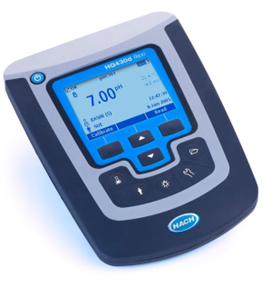
• pH Meter for water chemistry control
• Dissolved Oxygen Meter for monitoring dissolved oxygen
• ICP / Atomic Absorption for monitoring corrosion-related metals
• Automatic Titrator for alkalinity, hardness, and chloride
2. DM Water, RO Water, Service Water, and Firefighting Water
Applications:
DM water is used as boiler feed water and in sensitive processes. RO water is used for industrial applications, service water for general industrial use, and firefighting water for the safety network of the complexes in the region. One of the key features of Fajr’s water unit is the production of water on a regional scale and the supply of several petrochemical complexes.
Analysis Objectives:
• Control of electrical conductivity and TDS
• Silica measurement
• Measurement of total hardness and hardness leakage
• pH control
• Measurement of chloride, sulfate, and alkalinity
• Monitoring of corrosion-related metals
• TOC analysis in sensitive water streams
• Quality control of boiler feed water and return condensate
Instruments Used:
• Conductivity / TDS Meter
• pH Meter
• UV-Vis Spectrophotometer
• Automatic Titrator
• ICP / AAS
• TOC Analyzer
• Analytical Balance
• Drying Oven
3. Air Separation Unit, Nitrogen, Oxygen, and Argon
Applications:
Nitrogen is used for inerting, purging, blanketing, startup operations, and the safe preparation of pipelines and tanks. Oxygen is used in certain process applications, combustion systems, or specific operating units. Argon is also used as a special industrial gas in certain dedicated applications. Instrument air and service air are essential for pneumatic control valves, actuators, and maintenance applications.
Analysis Objectives:
• Determination of nitrogen and oxygen purity
• Control of moisture and dew point
• Detection of oil contamination or particles in instrument air
• Monitoring of possible hydrocarbon contamination
• Monitoring of pressure, flow rate, and distribution network stability
Instruments Used:
• GC for gas analysis
• Oxygen Analyzer for determining oxygen percentage
• Dew Point / Moisture Analyzer for moisture and dew point measurement
• Flow Meter for flow rate control
• Oil Mist / Particle Monitor for monitoring instrument air contamination
4. Industrial and Sanitary Wastewater Treatment
Applications:
Fajr’s wastewater treatment units are designed to receive, treat, and recycle industrial and sanitary wastewater from the complexes in the region. The treated wastewater can be used for the region’s green spaces or for diluting high-TDS streams.
Analysis Objectives:
• COD and BOD
• TOC
• TSS and TDS
• pH
• Oil and grease
• Chloride, sulfate, and ammonia
• Heavy metals
• Monitoring of inlet and outlet pollution load
Instruments Used:
• TOC Analyzer
• UV-Vis Spectrophotometer
• COD Reactor / Colorimetric System
• ICP / AAS
• pH Meter
• Conductivity Meter
• Analytical Balance
• Drying Oven
5. Communication Lines and Utility Network Monitoring
Applications:
The communication lines unit is responsible for distributing utility services to the complexes in the region and monitoring the exchange of feedstock and products through pipelines. From an operational perspective, this unit is one of the most sensitive sections of Fajr, because any disruption in the communication lines can affect several complexes at the same time.
Monitoring Objectives:
• Control of service pressure and flow rate
• Pipeline leak monitoring
• Quality control of delivered services at consumption points
• Inspection of valves, instrumentation, and electrical heat tracing systems
• Monitoring of corrosion and pipeline integrity
Instruments Used:
• Flow Meter
• Pressure Transmitter / Gauge
• Gas Detector
• Corrosion Monitoring Tools
• Sampling Systems
• Data Logger / Online Analyzer
(Petrochemical Special Economic Zone Organization)
(Mahtab GharibI, June 2014)
The Role of Laboratory Equipment in Operational Stability
In complexes such as Fajr Energy, the laboratory is not merely a place for quality control; it is part of the operational stability system. Laboratory data determines whether boiler water is suitable, whether steam has the required quality, whether DM water may cause corrosion or scaling, whether nitrogen and oxygen have sufficient purity, and whether the outlet wastewater complies with environmental requirements.
Within this framework, Artin Azma Mehr Company, as a supplier of specialized laboratory equipment, can play an effective role in developing and upgrading the control and analytical infrastructure of utility-oriented complexes such as Mobin Energy.
Conclusion
Fajr Energy Persian Gulf Company is a prominent example of a centralized utility complex in Iran’s petrochemical industry. The company was established in 1998 to supply utility services to the complexes located in the Petrochemical Special Economic Zone and began operation in 2002 as the first centralized utility company in the country. Unlike production complexes that manufacture final chemical products, Fajr Energy provides the infrastructure required for the production activities of other complexes.
The power and steam plant, air separation unit, water treatment unit, wastewater treatment unit, and communication lines are the five main pillars of this company. By supplying electricity, steam, DM water, RO water, instrument air, service air, nitrogen, oxygen, argon, and wastewater treatment services, Fajr is one of the most important contributors to production stability in the Mahshahr region.
The quality of the utilities produced by this company directly affects the performance of the petrochemical complexes that consume them. For this reason, the development and equipping of specialized laboratories for water, steam, gas, and wastewater analysis in such a complex is of strategic importance. Fajr Energy is not an ordinary production unit; it is one of the main foundations for the continuity of production in the Petrochemical Special Economic Zone.
References
Fajr Energy Persian Gulf Company, official company website
Petrochemical Special Economic Zone Organization, Introduction to Fajr Energy Persian Gulf Company
National Petrochemical Company, Petrochemical Complexes Book, 17th Edition, March 2023
Masoud Forouzandeh, History of Iran’s Petrochemical Industry 1230–1357 and Amir Kabir Petrochemical 1377–1398, Autumn 2022
Specialized Laboratory Tests and Equipment in Iran’s Petrochemical Industry, June 2014, Mahtab Gharibi
Recommended Laboratory Equipment and Services by Artin Azma for Petrochemical Product Analysis
Considering the importance of accuracy, speed, and reliability in analytical and quality control processes, selecting the right laboratory equipment plays a key role in optimizing the performance of quality control (QC) laboratories.
Artin Azma Mehr Company, as the exclusive representative of reputable international brands in Iran, uses its technical knowledge and specialized experience in analytical equipment to offer a range of advanced instruments compatible with the needs of the petrochemical industry.
These instruments have been selected to improve measurement accuracy, reduce human error, and ensure compliance with international standards such as ASTM, ISO, and EPA. The most important instruments and services recommended by the company are introduced below:
Laboratory Services
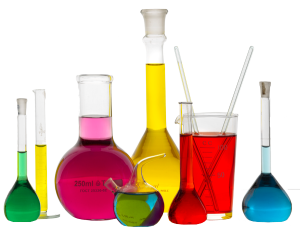
GC (Gas Chromatograph)
For the precise analysis of associated gases, identification of volatile compounds, and determination of the composition of light and heavy components in products such as LPG, naphtha, and raffinate.

Atomic Absorption
Widely used for determining the concentration of heavy metals, such as Ni, Fe, Pb, and Cu, in catalysts, feedstocks, and final products.
TOC Meter
A precise instrument for measuring dissolved organic matter in chemical products such as urea and melamine, as well as in industrial wastewater.
FT-IR
Used to identify functional groups and molecular structures of organic compounds, evaluate purity, and detect impurities.
UV-Vis
Suitable for analyzing organic and anionic compounds, such as nitrate and nitrite, as well as measuring the color or transparency of aromatic products.
Ion Meter for Ammonia
Used for the accurate measurement of ammonium ions in solutions and for monitoring the quality of nitrogen-containing products.
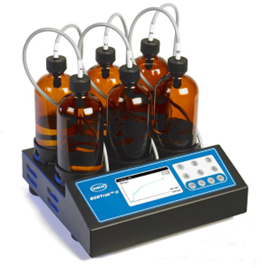
COD/BOD Analyzers
Used for analyzing chemical and biological oxygen demand in wastewater and by-products in order to assess environmental pollution.
Karl Fischer
The most accurate method for determining moisture content in liquid and solid samples, in accordance with ASTM E203.
Flash Point Analyzer
An essential instrument for evaluating the safety of flammable compounds such as benzene, xylenes, and solvents.